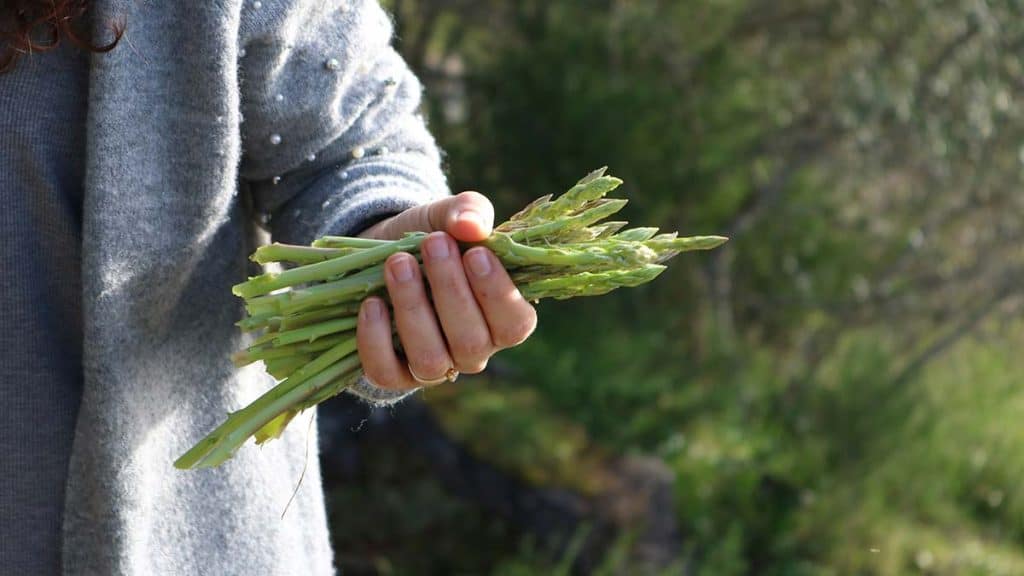
Around here, asparagus season feels like the real start of spring.
Once the first local bundles start showing up at farm stands and markets, everybody starts looking for it.
People in the Pioneer Valley have been calling it “Hadley Grass” for generations. The Connecticut River Valley turned out to be a really good place to grow asparagus because of the sandy soil and spring weather. Farms in Hadley, Sunderland, Hatfield, and Whately became known for it well beyond western Massachusetts.
At one point, Hadley was one of the biggest asparagus-growing areas in the country.
There’s even a story that asparagus from this area was served at Buckingham Palace for Queen Elizabeth II during spring dinners.
The crop hit a rough stretch in the 1970s when fusarium disease damaged a lot of asparagus fields across Massachusetts. Newer disease-resistant varieties helped bring production back over time, and asparagus is still a big part of spring around here.
A few other asparagus facts:
- Asparagus grows fast once the weather warms up. On warm days, spears can grow several inches in a single day.
- Fields need to be picked constantly during the season or the spears get too tall and woody.
- New asparagus fields take patience. Farmers usually wait 2–3 years before harvesting after planting crowns.
- Once established, asparagus plants can keep producing for many years.
- The reason asparagus affects the smell of urine is because of sulfur compounds produced during digestion. Some people can smell it, some can’t.
And yes, local asparagus really does taste different when it’s fresh.
That’s part of why people wait for it every year.
Fresh Warner Farm asparagus is available now at Millstone Market in Sunderland while the season lasts.